
The Mistake Most People Make First
When the first cold snap hits and the garage door starts groaning or sticking, the instinct is to grab a can of WD-40 and spray every moving part on the door. It's cheap, it's in everyone's garage already, and it feels productive — a quick fix before the real cold sets in. The problem is that WD-40 is a solvent, not a lubricant. It strips away whatever grease is already on your rollers, hinges, and tracks, and then evaporates, leaving bare metal exposed to moisture and cold. Within a few weeks you're often worse off than when you started, with grinding noises and stiffer movement than before.
Getting a garage door ready for winter takes more than one spray can. Here's what actually matters before the snow and freezing temperatures settle in for good.
Why Davis County Winters Are Rough on Garage Doors
This area doesn't just get cold — it gets cold with big daily swings. A sunny afternoon can warm the metal track and panels, then temperatures drop sharply after sunset, causing metal to contract and hardware to loosen slightly over and over through the season. The dry air also dries out rubber weatherstripping and seals faster than people expect, making them brittle and prone to cracking right when you need them to seal out drafts and snowmelt. If your door took any hail hits over the summer, those dents and chips are also places where cold and moisture can work their way in. All of this adds up to doors that bind, seals that leak, and springs and cables under more stress than usual.
A Real Pre-Winter Checklist
1. Inspect and Replace Weatherstripping
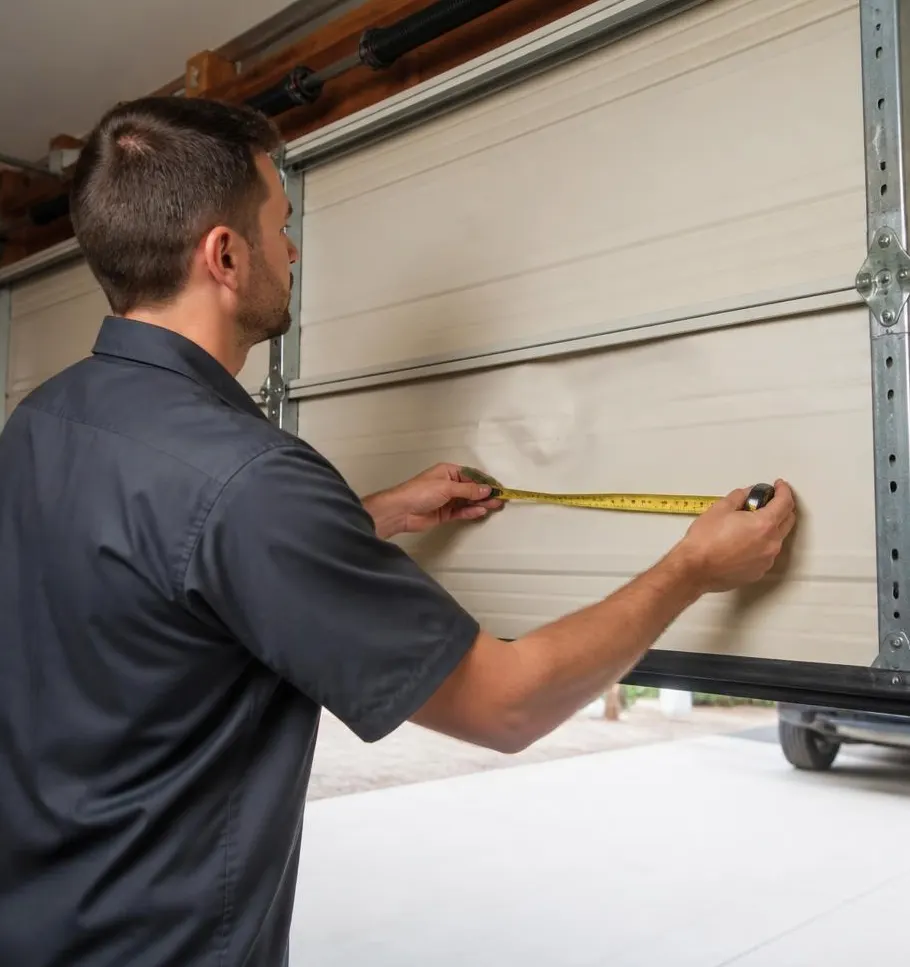
Walk around the bottom seal and side seals with your hand. If the rubber feels hard, cracked, or doesn't spring back after you press it, it's past its useful life. A worn seal lets in cold, dry air, fine snow, and even small drafts that make an attached garage noticeably colder. Replacement weatherstripping is inexpensive and a reasonable DIY project for most homeowners, typically a $20–$50 part depending on door width.
2. Lubricate the Right Way
Skip the WD-40. Use a lithium-based or silicone-based garage door lubricant on the rollers, hinges, and the track itself — a light coat, not a soaking. Silicone-based products tend to hold up better in very cold temperatures because they don't thicken the way some greases do. Wipe off excess so it doesn't attract dust and grit that can grind against moving parts.
3. Tighten the Hardware
Those daily temperature swings cause metal to expand and contract repeatedly, which gradually loosens bolts on the track brackets, hinges, and the opener mounting rail. Go around with a socket wrench and snug everything up. Loose hardware is one of the most common causes of a door that suddenly sounds rattly or crooked going into winter.
4. Test the Balance
Disconnect the opener by pulling the release cord, then lift the door manually about halfway. A properly balanced door should stay in place on its own. If it drifts down or shoots up, the springs are compensating poorly for the door's weight, and cold weather puts extra strain on springs that are already working harder than they should. This is a symptom worth addressing before winter, not after a spring snaps in freezing temperatures.
5. Check Cables for Fraying
Cold makes steel more brittle. Look at the lift cables near the bottom brackets for any fraying, kinks, or rust. A cable that's starting to go is far more likely to fail under the added stress of cold temperatures and a door that's working harder to move.
6. Look at the Auto-Reverse Sensors
The two photo-eye sensors near the bottom of the tracks need to be aligned and clean. Snow, ice buildup, or even a nudge from a shovel can knock them out of alignment, which causes the door to refuse to close or reverse unexpectedly — an easy thing to overlook until it happens during the first big storm.
7. Check the Opener's Battery Backup
If your opener has a battery backup, test it now. Winter storms in this area can knock out power, and a dead backup battery means you're stuck manually operating a heavy door in the cold and dark.
Common Mistakes Beyond the WD-40 Habit
- Ignoring hail damage from summer because it seems cosmetic — dents can affect how panels seal and flex in freezing temperatures.
- Over-lubricating the opener's chain or belt, which attracts grit and debris that grinds down the mechanism faster.
- Waiting until the door won't open to check anything at all, rather than doing this walkthrough while the weather is still mild enough to work outside comfortably.
When to Call Kaysville Garage Door Specialists
If the balance test shows a problem, if cables look frayed, or if you're just not comfortable getting into the spring system — that's the point to call in a professional rather than keep adjusting things yourself. Our Garage Door Maintenance service covers a full inspection of springs, cables, rollers, and hardware, with adjustments made on the spot before winter stress turns a small issue into a failure. If your springs are already showing uneven tension or your door is noticeably harder to lift than it used to be, our Spring Replacement service is worth scheduling now, while you can still choose a convenient time instead of dealing with a snapped spring during a snowstorm.
If you're in Kaysville, Layton, Farmington, Fruit Heights, Centerville, Bountiful, Clinton, or Syracuse and want your garage door checked before winter really sets in, give Kaysville Garage Door Specialists a call. We'll get it done right, with no surprises on the bill.